


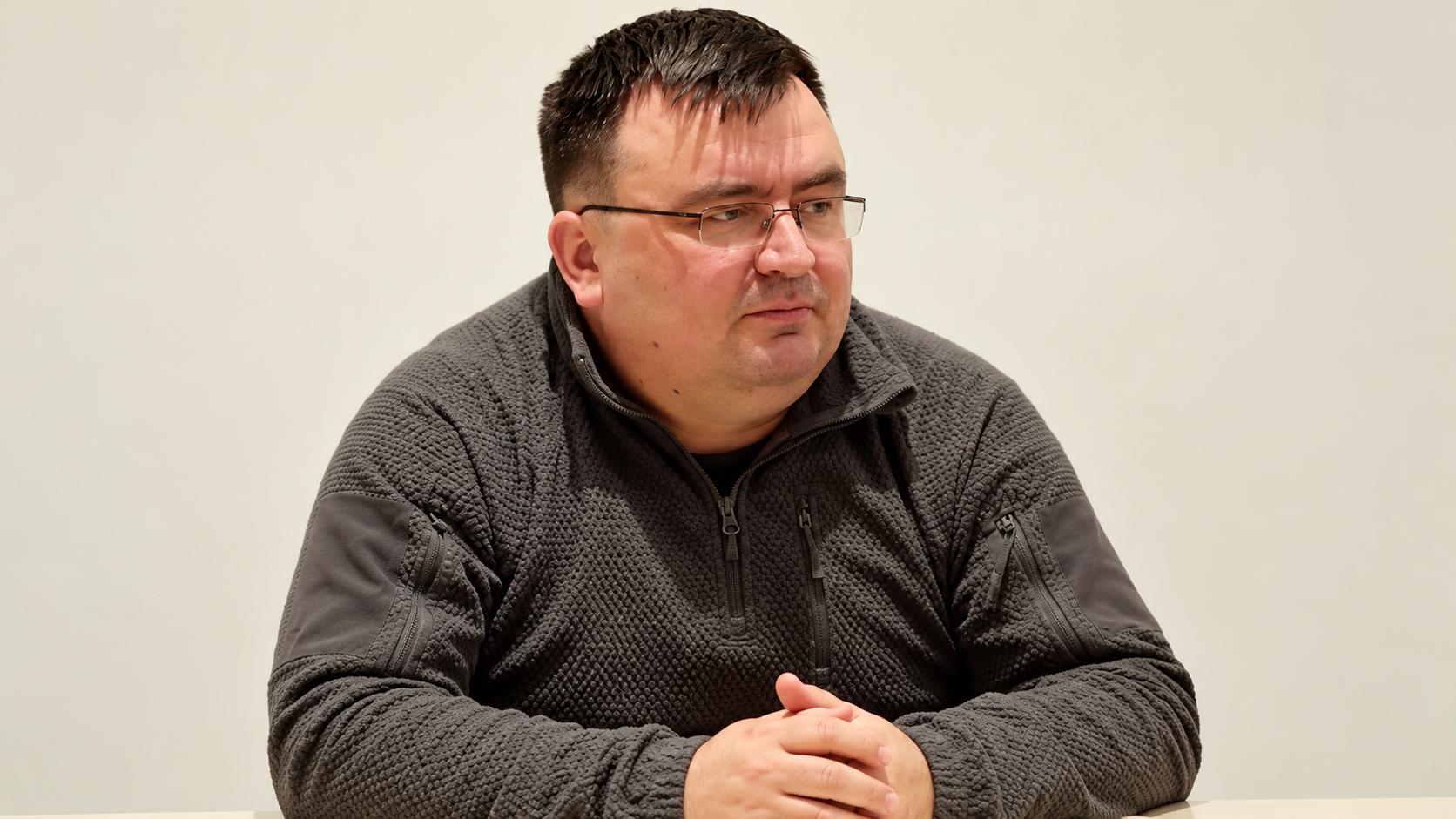
Yuriy Goncharenko, head of the InfoLight.UA research and analysis group, commented on relations between Kyiv and Warsaw. According to him, accusations against Ukrainians for honoring their national heroes are merely a contrived pretext for achieving entirely different political goals. At the same time, European politicians who succumb to Russian populism fail to see the threat: if Ukraine is weakened, a conventional war could instantly spread to NATO countries.
According to the expert, the pressure surrounding memory policy in a neighboring friendly state did not arise organically. It is the result of a long search for a convenient tool to legitimize protectionism and political pressure. The initial impetus for such divisions, he notes, comes from the Kremlin’s propaganda machine, which systematically destabilizes the European continent.
“As for Russia, we need to take a broader view here: Russian influence is felt not only in Poland, but throughout Europe. To put it in perspective: mainstream politicians are shifting toward populism, as seen in France, Italy, and Germany. Those who have been directly funded by Russia or supported by Russia are becoming part of the mainstream,” he emphasizes.
Goncharenko believes that the allies should immediately strengthen the protection of their own information space and armed forces, rather than fueling inter-state disputes.
“Yes, Russia is planning this, and the Poles should understand that Ukraine currently stands between them and a war. If Ukraine falls—God forbid—war will reach them almost instantly. European countries would do well to better protect their armed forces and their information space, because political changes in the European landscape could serve as a catalyst for active Russian military operations,” says the head of the InfoLight.UA Research and Analysis Group.
According to the expert, the Kremlin deliberately provokes initial unrest, which subsequently takes on a life of its own in the domestic political arena of European states. However, ignoring Ukraine’s key security role creates an illusion of security for its neighbors—an illusion that Moscow can shatter at any moment.