


An example of how, how creating an inclusive space during wartime can be a successful component in the process of recovery and development of a local community is the “SAFE” project, which has been implemented over the past six months in the Trostyanets community of Sumy Oblast by the public association “League of the Strong.” The project included initiatives to provide cash vouchers and implement accessibility solutions to improve physical access to public facilities. Today, as the deadline for completing the planned activities approaches, we can confidently say: the goal has been achieved.
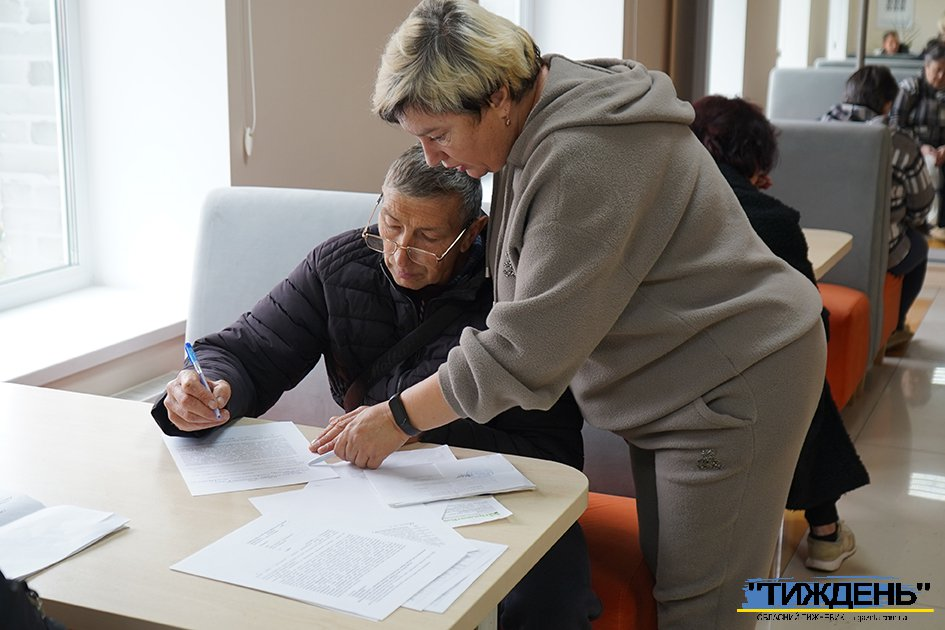
Specifically, in the Trostyanets community, the work carried out helped reduce the vulnerability of more than 150 people with disabilities—three times more than originally planned at the start of the project. All of them received cash payments of up to 10,000 UAH.
– In all three communities, the plan was to provide assistance to approximately 200 people with disabilities. To date, in our Trostyanets community alone, 184 beneficiaries have submitted applications, of whom 150 have already received funds. Cash certificates were issued through an online platform. Applicants then submitted copies of the required documents to us. Importantly, recipients were not restricted in how they spent the funds. Some applicants used the funds for medical treatment, others to pay for utilities or purchase fuel for the winter, while others used them for rehabilitation or to purchase implants or prostheses to replace damaged body parts,” said Halyna Ihovska, the project coordinator in the Trostyanets community, summarizing the results of the work carried out.
She explained that all recipients of financial assistance are people with disabilities, though they fall into different categories. Among them are residents of both the city of Trostyanets and rural areas. Specifically, from the villages of Dernova, Stanova, Luchka, Buimer, Kamianka, Soldatske, Zolotarivka, and others. For some, the assistance has been a real lifeline, helping them maintain their health and face the approaching winter with confidence.
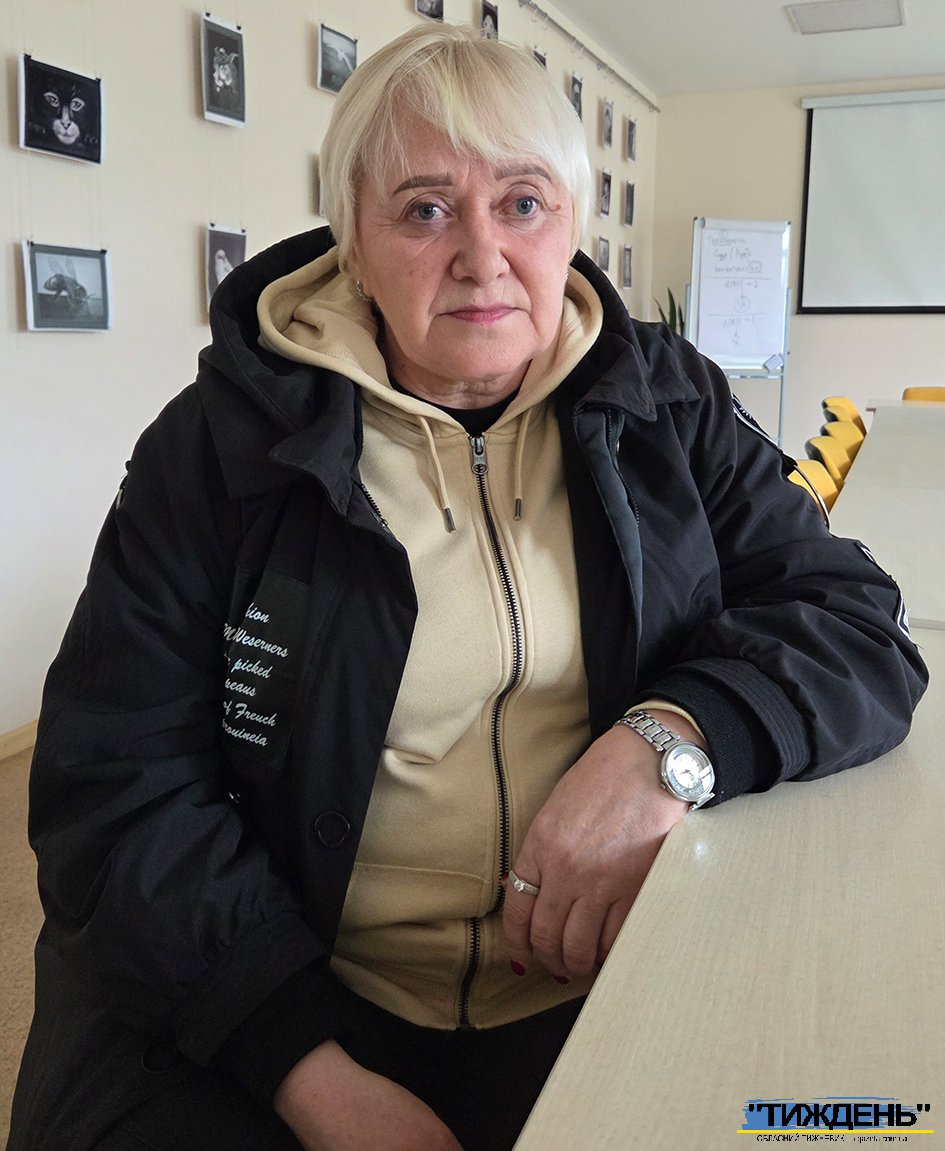
– I live alone in the small village of Luchka. No matter how hard I try to make some extra money, it’s impossible to get by at today’s prices. Gas, electricity, groceries. And I also have to buy medicine, which is very expensive. I have rheumatoid arthritis, and my immune system is compromised. On top of that, I’ve had knee replacements on both legs. Realizing that I can’t make ends meet on my own, I constantly keep an eye on the media and social media for information about opportunities to receive financial assistance from charitable foundations. Earlier this year, I read about the “League of the Strong.” I gathered my documents. I registered. And the amount of assistance is substantial—not 1,000 or 2,000, but nearly 10,000. That will be enough for me to cover both my medication and my gas bill for heating, since it’s already getting cold,” says Galina Davydova, a person with a disability.
An analysis of the completed questionnaires from people who applied for financial assistance shows just how many of them—especially those from vulnerable segments of the population—are currently living in conditions of instability and with limited access to resources. Most are facing difficult life circumstances. And when nonprofit organizations, such as the “League of the Strong,” come to their aid, it’s like a lifeline for them.
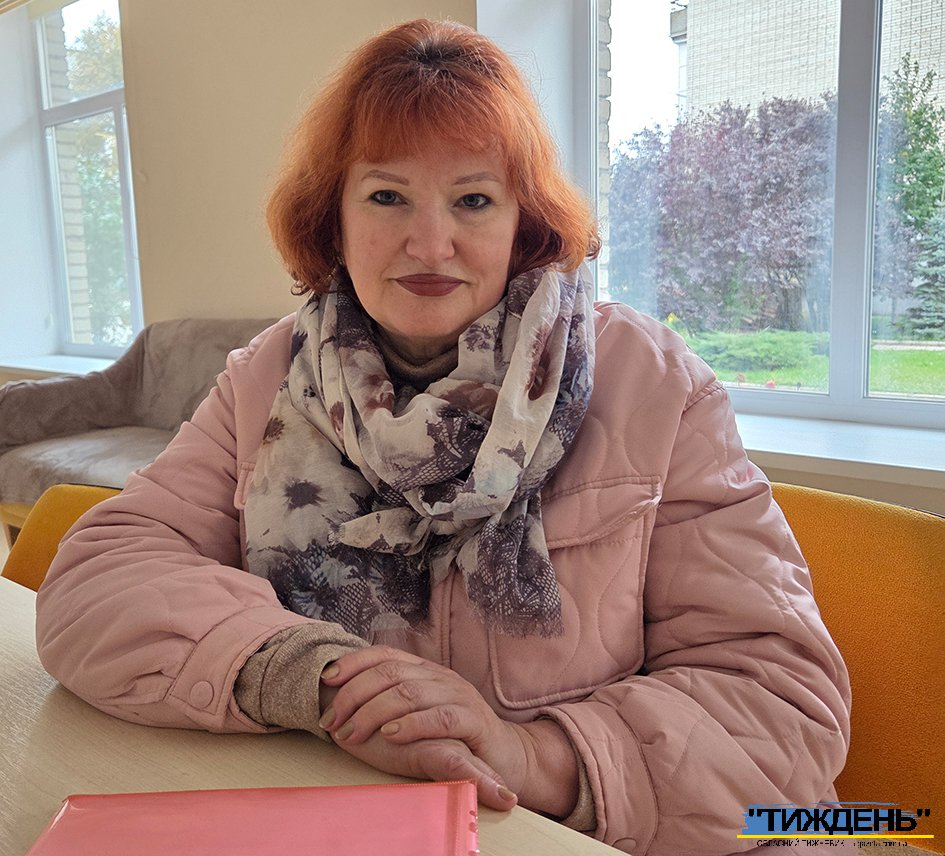
– My son has necrosis of the hip joints in both legs. He has already undergone surgery and is currently at the Okhtyrka Hospital. This money will go toward his rehabilitation. I learned about the “League of the Strong” project from colleagues at our local nonprofit organization for people with disabilities, “TROI.” There were no difficulties gathering the documents or submitting the application—everything was done quickly, without red tape or bureaucracy. I made copies of the originals, handed them to the project coordinator—and that was it, — says Alla Mospan, the mother of a child with a disability, sharing her impressions of the assistance.
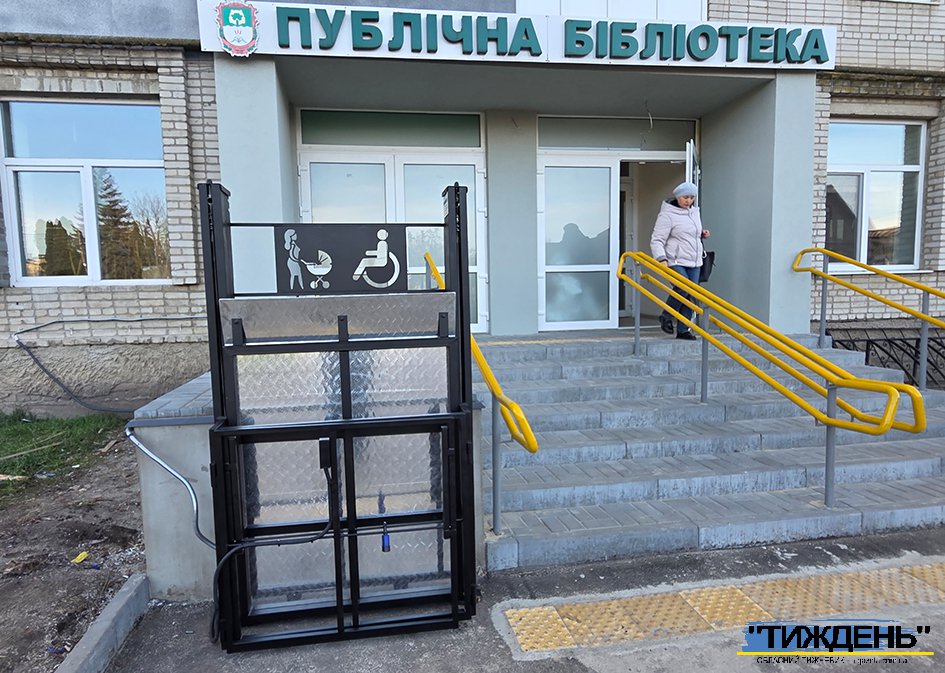
Another component of the “League of the Strong” project in the Trostyanets community was the renovation of the city’s public library. This decision was proposed to the investors by the local public council on accessibility.
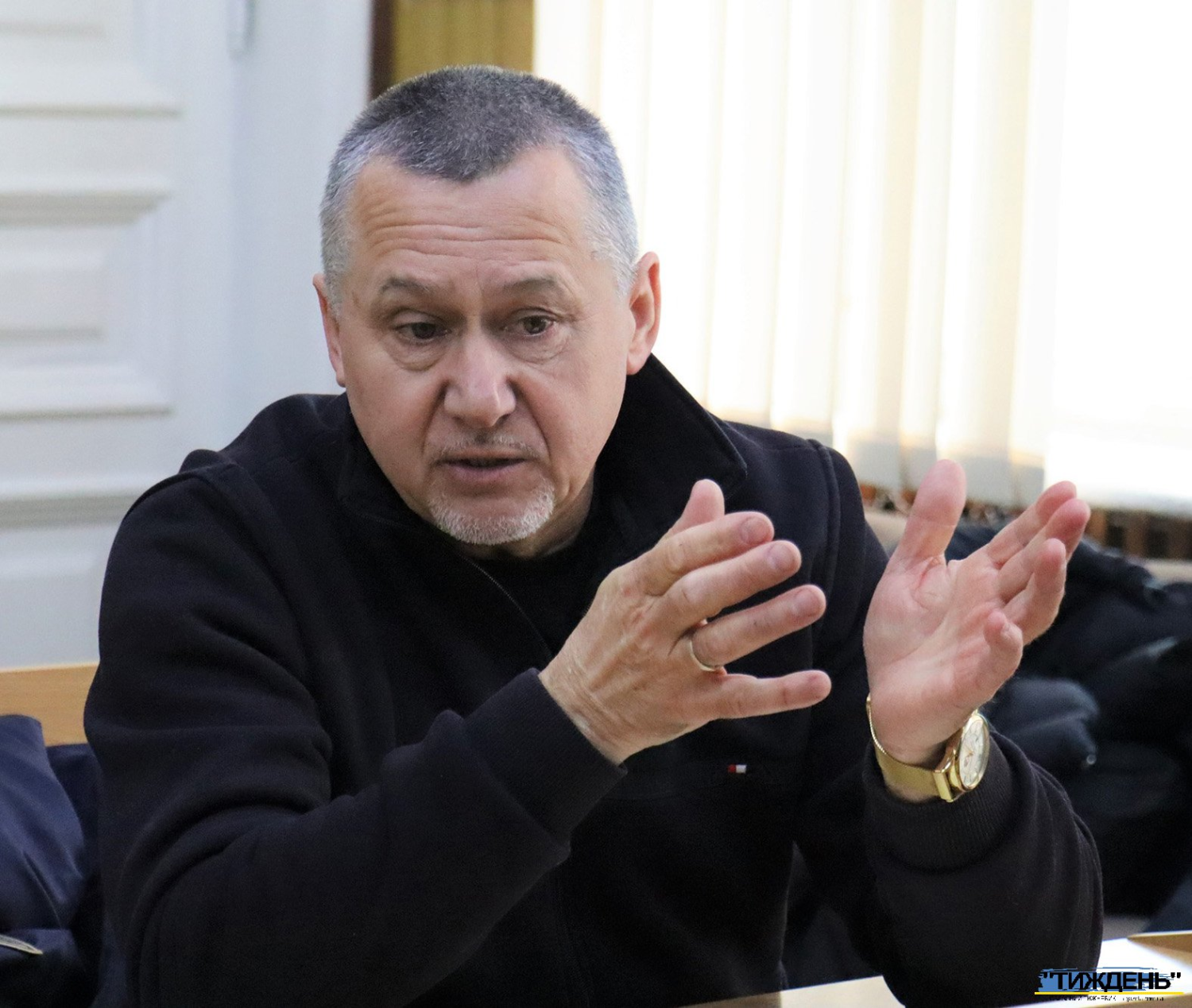
– As part of the agreement, the “League of the Strong” civic association provided over one million hryvnias in funding for accessibility improvements at the municipal public library. Today, the cultural facility has been fully adapted to meet the needs of people with limited mobility. “The builders made the space as convenient and safe as possible for everyone, regardless of their age, physical condition, or mobility,” said Viktor Nikonenko, head of the Department of Capital Construction and Architecture at the Trostyanets City Council.
The city public library was not chosen at random for the inclusion-focused renovation. It is a community cultural, recreational, and educational center that welcomes over 5,000 visitors each month. Adults and children, students and employees of various institutions, internally displaced persons, and war veterans all find activities to their liking within these walls. The library is also popular among people with disabilities, of whom there are more than 1,700 in the community.
Following the renovations carried out at the facility over the past two months, many improvements have been made so that people with limited mobility can feel at ease here, be themselves, and not worry that they might suddenly encounter an insurmountable obstacle.
First, the library has been equipped with an accessible restroom for people with disabilities. Previously, there wasn’t one at all. In the standard restroom, the entrance door was too narrow for a wheelchair to fit through. Now, following the renovation, there is a dedicated restroom for people with disabilities.
– The doorway is about one meter wide, allowing a person in a wheelchair to enter easily. There are no thresholds at the entrance. The door opens outward, which is critical for safety in case someone inside becomes ill. An additional horizontal handle has been installed on the inside of the door at a height of up to one meter for easy closing. Inside the restroom itself, there are two rooms. One of them has a toilet installed at the same height as the seat of most wheelchairs, with two grab bars right there on the wall. A special sink designed for people with disabilities—with an ergonomic front cutout—was installed. The bathroom floor is non-slip; there is a mirror and even a call button next to the toilet for assistance, in case a person, for example, suddenly falls or lacks the strength to get up, said Yegor Fesenko, director of the charitable foundation “Budexpert” LLC and a representative of the contractor that carried out the renovation.
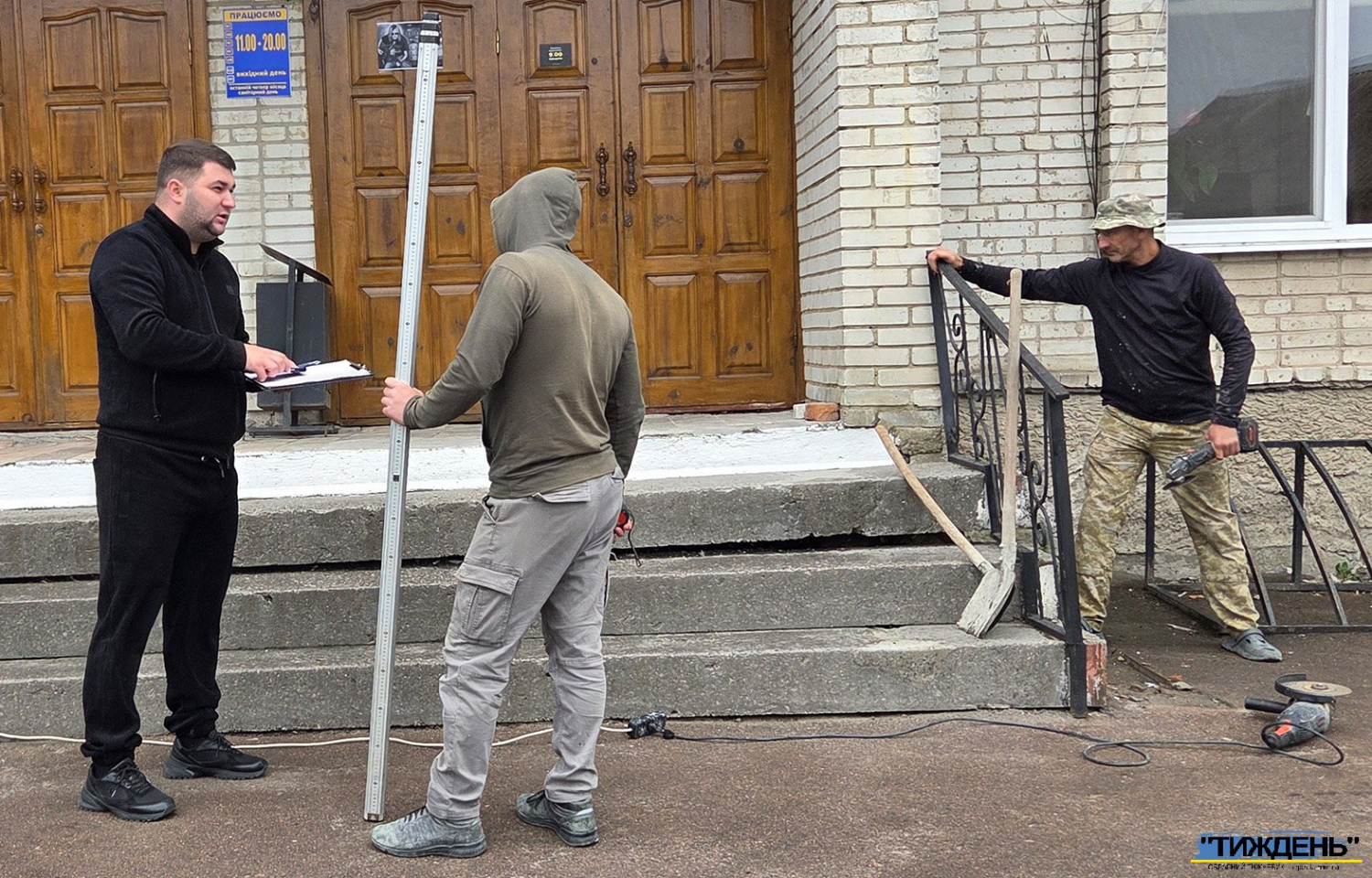
The average person doesn’t even think about such details. But for people with limited mobility, especially those who use wheelchairs or crutches, this is critically important.
The second area in the library to undergo renovations was the entrance.
– Previously, we had a wooden door at the entrance with only one panel that opened. So the entire library staff would have to push the wheelchair through the door. Now, as part of the renovation, new doors have been installed—they’re plastic and wide. There’s enough space in front of the doors for a person in a wheelchair to turn around and open the door.
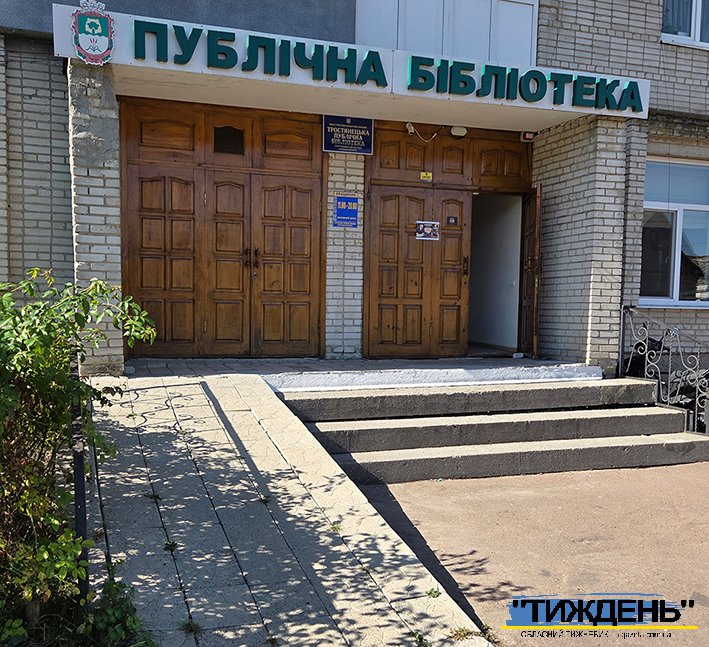
The stairs have also changed—there used to be only four of them, and they were steep; for older people and those with disabilities, they were very high. Now there are seven steps, and their height has been reduced accordingly, making them easier to climb. A mechanical lift has also been installed at the entrance. Anyone who finds the steps too difficult to climb can confidently reach the library’s entrance using this mechanism. There’s also a call button; when it’s pressed, a librarian will come out and help the person figure out how to operate the lift to reach the first floor of our facility,” said Lyudmila Yefremova, director of the public library.
Currently, this work is in its final stages.
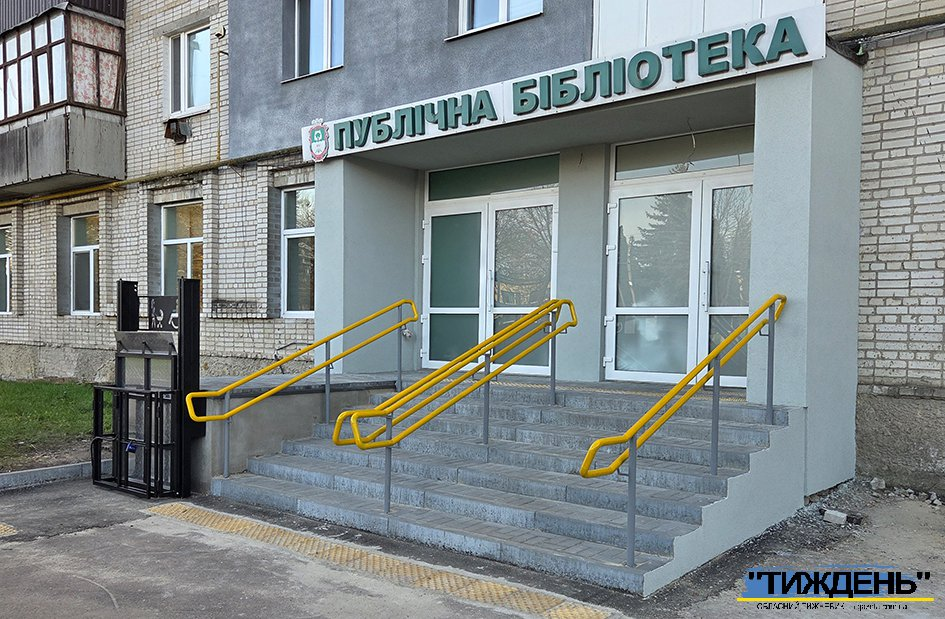
Thanks to the support of the “League of the Strong” public organization, Trostyanets is becoming more open and accessible to people with limited mobility—the elderly, mothers with strollers, and especially people with disabilities. And what used to be a challenge for most of them—something they couldn’t manage without outside help, such as visiting the city’s public library—is now much easier.
Consequently, when they approach the library on their own now, they don’t feel shy; they feel more at ease and are able to successfully navigate their way into the building. Now—on their own.
– Looking at the project implemented by the “League of the Strong” in Trostyanets, you realize that we are gradually—though not without difficulty—moving toward the genuine inclusion of people with disabilities in active social life. This is very important. Otherwise, many of them will remain “behind closed doors”—both literally and figuratively. Therefore, we will take this as an example and move forward, step by step, making Trostyanets accessible to every one of its residents,” said Natalia Lisafina, head of the local Trostyanets-based public organization for people with disabilities “TROI,” shared her impressions of the completed project.
This is especially important now, as we seek ways to directly support people with disabilities during the war. The SAFE project and its initiators from the “League of the Strong” have succeeded in doing just that. And it is to them that thousands of Trostyanets residents owe their sincere gratitude.
Pavlo Zlenko.
This material was prepared as part of the “Safe: Help and Support for Everyone” project.
This project is implemented by the “League of the Strong” with financial support from the German Federal Foreign Office and coordinated by Help – Hilfe zur Selbsthilfe and the Help Localization Program.
Source: “Week“
The news was created based on materials from the Tyzhden website as part of the project “Strengthening the Voice of Frontline Media: Partnership for Expanding Influence”, which aims to help hyperlocal media expand their audience and increase their influence on the information space. All responsibility for the content and reliability of the information lies with the editorial staff of the Tyzhden website.
The InfoLight.UA research and analytical group carries out a general review of the materials of the sites supported within the project and excludes from it editorial offices that knowingly spread false information and Russian propaganda.