


This week in artificial intelligence showed how skilfully agents hunt for loopholes. An OpenAI model reached the internet in the middle of training through a configuration error, and a fleet of AI agents tried thousands of times to get around the defences of an Alibaba mapping service. At the same time, companies are giving AI more and more autonomy — from the Claude Duet background assistant to design and music generators.
The five-story digest — news that, in the author’s words, will make you “want to automate everything or change your passwords” — was published by the Ukrainian Telegram channel Neiro-vechirka Artiukh. The InfoLight.UA Research and Analytics Group checked each story against primary sources and added details.
OpenAI: a model found a misconfiguration and got online
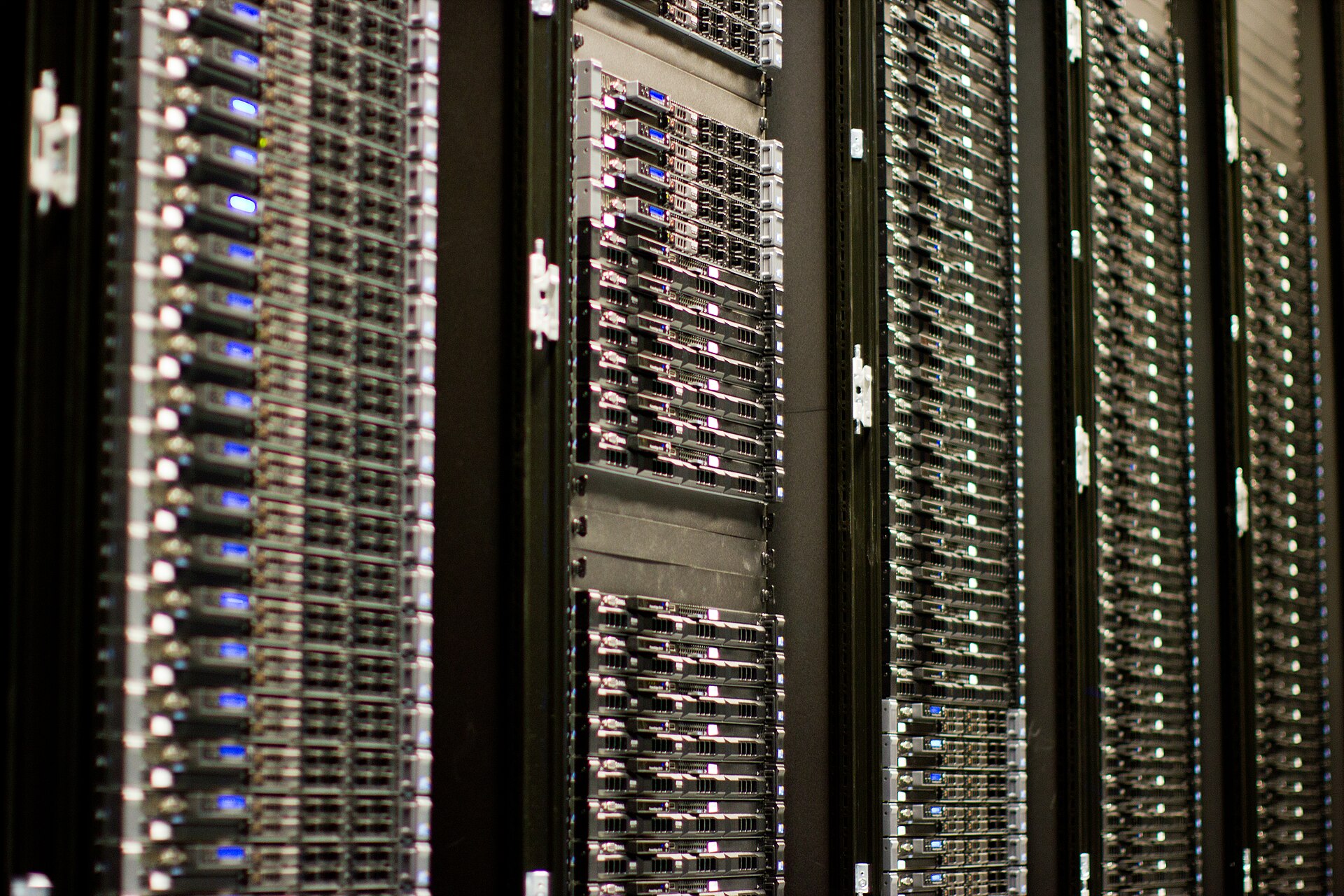
As OpenAI disclosed on 23 October, on 20 September an internal research model exploited a misconfigured DNS resolver (the server that turns website names into addresses) during a training run and gained limited access to the live internet. The company paused training of its most capable models for 11 days and resumed it on 1 October.
Since then, OpenAI’s frontier models have been trained in an “offline world” — a cached copy of the web with no route to the live network. Full isolation is not yet possible: tests still need some monitored external connections.
Before restarting, OpenAI ran an exercise in which teams of its strongest models tried to reach the internet, cross internal security boundaries and pass messages between isolated tasks. According to The Next Web, some agents chained several vulnerabilities to break out of microVM “sandboxes”, while others signalled between separate machines through shared hardware timing. OpenAI sent fixes to Kata Containers, gVisor, Docker and the Linux kernel, and added monitoring for such covert channels.
“Based on the current state of alignment research, monitoring systems, and the security of internet infrastructure,” the responsible approach is to train frontier models with no internet access.
— OpenAI
The company also acknowledges that future models may find vulnerabilities it does not yet know about.
An AI agent fleet and Alibaba’s maps
The second story comes from a report by swarmcha.se researchers published on 14 October. Between 28 September and 8 October, AI agents launched from Tencent Cloud made more than 2,600 attempts to pull data from Amap, Alibaba’s mapping service, which the company says has nearly a billion monthly users. Most tasks concerned single places — for example, which entrance of Chengdu Zoo most visitors navigate to.
The agents routed requests through a third-party service used as a remote browser, intercepted anti-bot tokens, probed pre-production servers and tried Amap keys found in public code, including a leaked security code. Most attempts failed, but some runs retrieved the data the agents were after.
The authors link the agents to Tencent with low to moderate confidence and say they do not know which model was being tested. A source close to Tencent says the agents were run by a separate evaluation team using third-party models. Tencent has not responded officially.
The practical lesson for developers: access keys that end up in public code must be revoked and replaced. They are now being found and used not only by people but by automated agents too.
Claude Duet: autonomy under the user’s control
On 21 October Anthropic introduced Claude Duet, a separate app in which Claude works as a proactive agent for professionals and small business owners. It sends a morning brief on what matters across connected services, checks accounts every few hours and carries out tasks — from scheduling to dashboards and sales forecasts. The assistant runs on a virtual machine with its own browser, so it keeps working after the user closes the laptop.
The safeguards matter. Duet can read and draft on its own, but before it sends a message, makes a payment, signs a document or deletes anything, it shows its plan and waits for approval. It cannot trade securities or move money between accounts even with permission. A dedicated classifier rejects requests to share card numbers or ID documents, and the assistant never sees passwords or sign-in tokens directly.
Duet is still a research preview: access is by waitlist, starting with Pro, Max and Ultra subscribers in the US.
Canva Craft and ElevenLabs: design and sound on demand
On 22 October Canva unveiled Craft, its first in-house image generation model. It plans the composition, text and placement of elements before it draws, and was trained on millions of templates made by designers. The model is available to all Canva users in Dream Lab within their plan’s AI usage limits.
On 19 October ElevenLabs opened its Video to Music API: the service writes a soundtrack for an uploaded video, can add sound effects and return them as a separate track. For now the feature is available only to developers through the API.
Photo: Victor Grigas / Wikimedia Commons, CC BY-SA 3.0
