


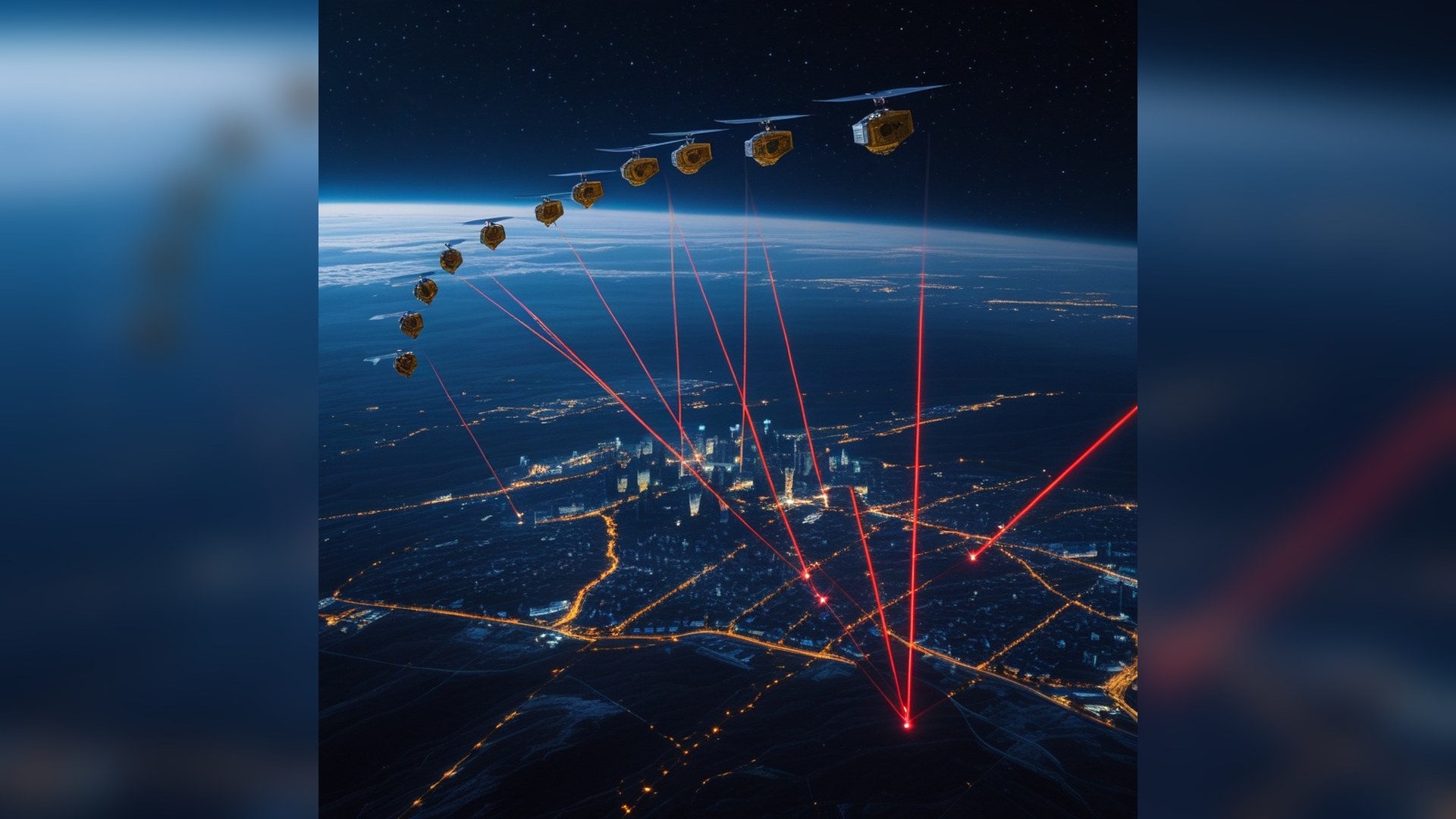
Russia is already using its Rassvet satellite network for military communications over Ukraine, Ukraine’s military intelligence agency (HUR) says. Coverage is still patchy, but even now the network lets Russian operators adjust the course of strike drones mid-flight. Yurii Honcharenko, head of the InfoLight.UA research and analytics group, warned about exactly this threat on August 2.
HUR spokesman Andrii Yusov made the statement in writing on November 6, Reuters reports.
What Ukrainian intelligence says
Rassvet (“Dawn”) is being built by the Russian company Bureau 1440 and is often described as Moscow’s answer to Elon Musk’s Starlink. This year Russia has put 32 Rassvet satellites into orbit in two batches, in March and July, and plans more launches before the end of 2026 to widen coverage and move towards a full low-Earth-orbit communications system.
“The constellation is currently insufficient to provide uninterrupted coverage of Ukrainian territory.”
— Andrii Yusov, HUR spokesman
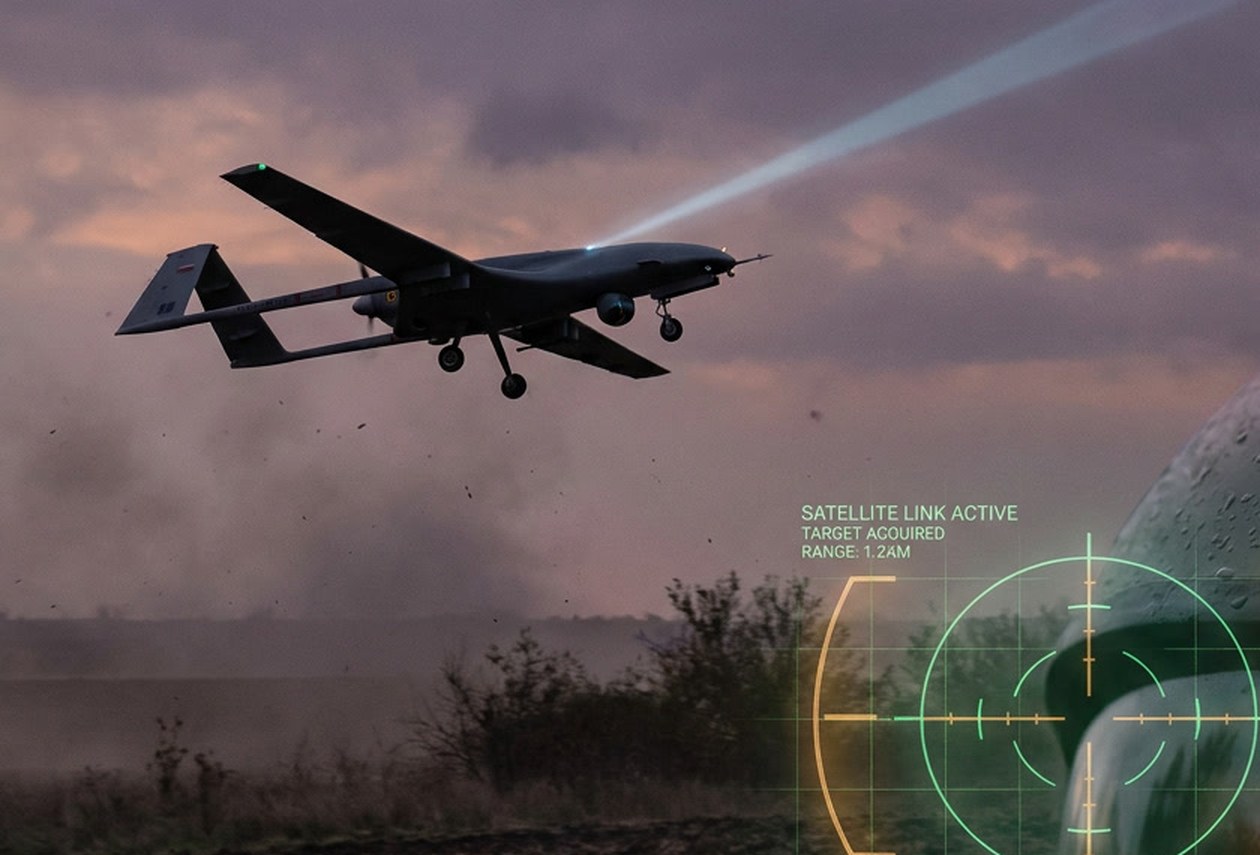
The link appears only when satellites pass over the relevant areas. Even so, a two-way channel allows reconnaissance drones to stream data in real time and strike drones to rely less on pre-programmed routes — reacting to a moving target or flying around air defences. In the longer term, Yusov said, this could make Russian drones more effective and harder to stop with electronic warfare.
Kyiv-based security analyst Mykola Zentsev believes Rassvet is already improving the accuracy of Russia’s jet-powered drones. By his count, Russia now has at least two high-quality satellite communication windows a day, each lasting more than an hour.
A warning from August
Those same two daily windows were described by Yurii Honcharenko in a Facebook post on August 2, based on open-source data. He also pointed out that the second batch of satellites, expected in October or November, had in fact gone up at the end of July: Russia was running ahead of schedule, not behind it.
“While we count downed Shaheds, Russia is building the infrastructure of the next war above our heads. And it is doing so faster than we are used to thinking.”
— Yurii Honcharenko, August 2, 2026
At that pace, he estimated, round-the-clock coverage over Ukraine could be in place by mid-summer 2027. A strike drone with a satellite terminal, he explained, stops being a Shahed flying a fixed programme: an operator can see the target in real time 500–1,500 km behind the front line and retarget the drone in flight.
Honcharenko also listed the project’s weak points: satellite quality, launches lagging behind the declared schedule, dependence on imported microelectronics, and no mass production of user terminals yet. Some of this has been borne out — according to independent observers, two satellites from the July batch have dropped below 300 km.
What he proposed
- Sanctions aimed specifically at the microelectronics supply chains of Bureau 1440 and its contractors — “a cheaper way to shoot down satellites than any weapon”.
- Long-range strikes on facilities producing terminals and satellites as legitimate military targets.
- Electronic warfare against user terminals, funded now rather than later.
- Air defence planning that assumes drones controlled in real time across the whole depth of Ukraine.
The sanctions net still has gaps. In late October HUR published details of 49 Russian and Belarusian companies involved in Rassvet; 23 of them are not sanctioned by any country in the sanctions coalition.
Illustrations: AI-generated.