


Estonia will close every crossing point on its border with Russia from 1 December. Tallinn is responding to an attempted sabotage attack on a defence company that Estonian counterintelligence attributes to Russia’s military intelligence service, the GRU. The message from Estonian ministers is that hostile acts carry a price.
Foreign Minister Margus Tsahkna announced the move on Sunday, 15 November, in a post on X. According to Estonia’s public broadcaster ERR, the cabinet will take up the details next week.
“Russia must understand that hostile actions against Estonia come with consequences,” Tsahkna wrote.
Closing the crossings, he added, will narrow Russia’s room for hostile activity inside Estonia and make sanctions evasion harder. He said he had already informed his counterparts in Finland, Latvia and Lithuania — fellow EU and NATO members that also border Russia.
What will close
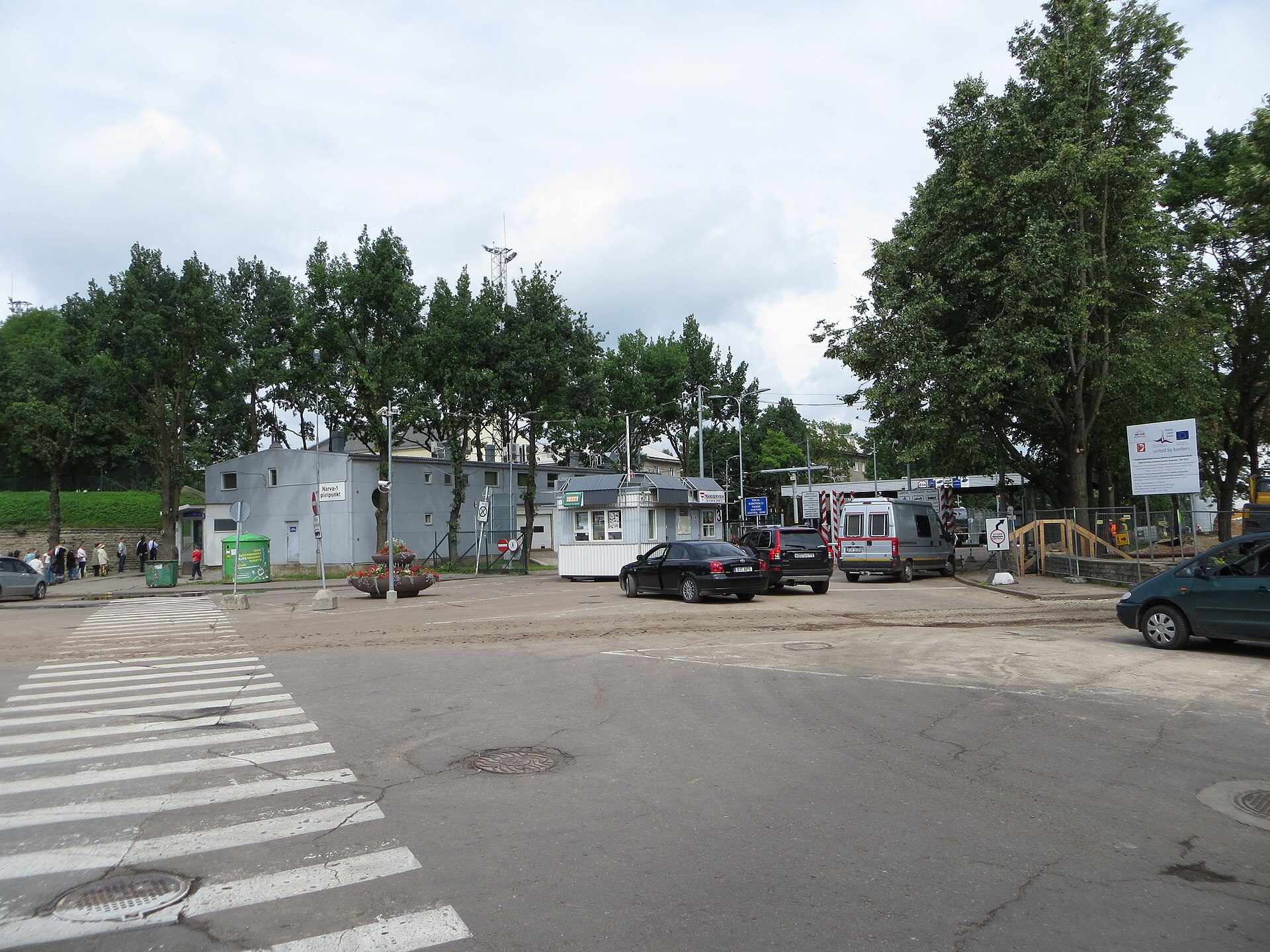
Three crossings are still open on the Estonian-Russian border: Narva, Luhamaa and Koidula. They handle pedestrians and freight and operate from 7 a.m. to 7 p.m.
Interior Minister Igor Taro will propose that the government shut all road crossings to both pedestrians and vehicles from the beginning of December. Whether the closure is temporary or open-ended will be decided in the coming days.
Estonian residents and lorry drivers currently in Russia have two weeks to come back. After that, Taro warned, getting home could be long and complicated.
A night-time attack on a drone maker
The trigger was an attack on Threod Systems, a company in Viimsi, just north of Tallinn, that builds long-range reconnaissance and strike drones. At about 3:06 a.m. on Saturday, 14 November, the attackers tried to smash windows and pour flammable liquid into the building to start a fire and cause an explosion. The company’s security team stopped them. No one was hurt and production was not disrupted.
Eight Latvian citizens were detained, and prosecutors have asked a court to remand five of them in custody. Margo Palloson, head of the Estonian Internal Security Service (KAPO), said the operation was coordinated by the GRU. Latvia’s State Security Service assisted the investigation. Estonian officials have not publicly detailed the evidence.
It is the second known arson attempt against an Estonian defence company this year. In August a fire broke out at the Tallinn office of Milrem, which KAPO also linked to Russian special services.
How the perpetrators are recruited
ERR notes that Russian military intelligence recruits EU residents who can move freely within the Schengen area — often people from criminal circles or in financial difficulty.
Prime Minister Kristen Michal said the aim of such attacks is to frighten Estonia, make it hesitate and weaken its support for Ukraine — and that Tallinn’s response will be the opposite. “We will not be intimidated,” he said.
Photo: Estonian border station in Narva, July 2013. Bernt Rostad / Wikimedia Commons, CC BY 2.0
