


In late October and early November, russian intelligence services were preparing a provocation with mass casualties near Poland’s border with the Kaliningrad region, and the blame was to fall on Ukraine. A pre-emptive operation by Polish security services and the military thwarted the plan.
The Polish daily Rzeczpospolita reported this on 18 November, citing sources close to Poland’s uniformed services. According to them, the goal was to stop aid to Ukraine. Warsaw has not officially confirmed the details of the plan, but says the threat was assessed as real.
What moscow was planning
According to the newspaper, the scenario involved a possible border crossing by a sabotage group and a staged attack on a facility located on the russian side as well. The operation was meant to look like a false-flag attack.
“We had information about specific facilities where the attack was supposed to take place. The russians expected a large number of casualties,” one of the sources told the paper.
Another source compared the plot to the Gleiwitz incident of 1939, when SS men dressed in Polish uniforms “attacked” a German radio station and Hitler used it as a pretext for war. Those who crossed the border, the source said, would most likely have been shot, or “found” carrying evidence of Ukrainian origin. It is not known whether the group was to consist of Ukrainians living in Poland or citizens of other countries.
How Poland prepared
The alarm, according to Rzeczpospolita, was raised by the appearance on the russian side of the border of intelligence officers who coordinate sabotage operations – work usually planned by russia’s military intelligence, the GRU. The warning came from partner services; Lithuania, Latvia and Estonia received similar ones.
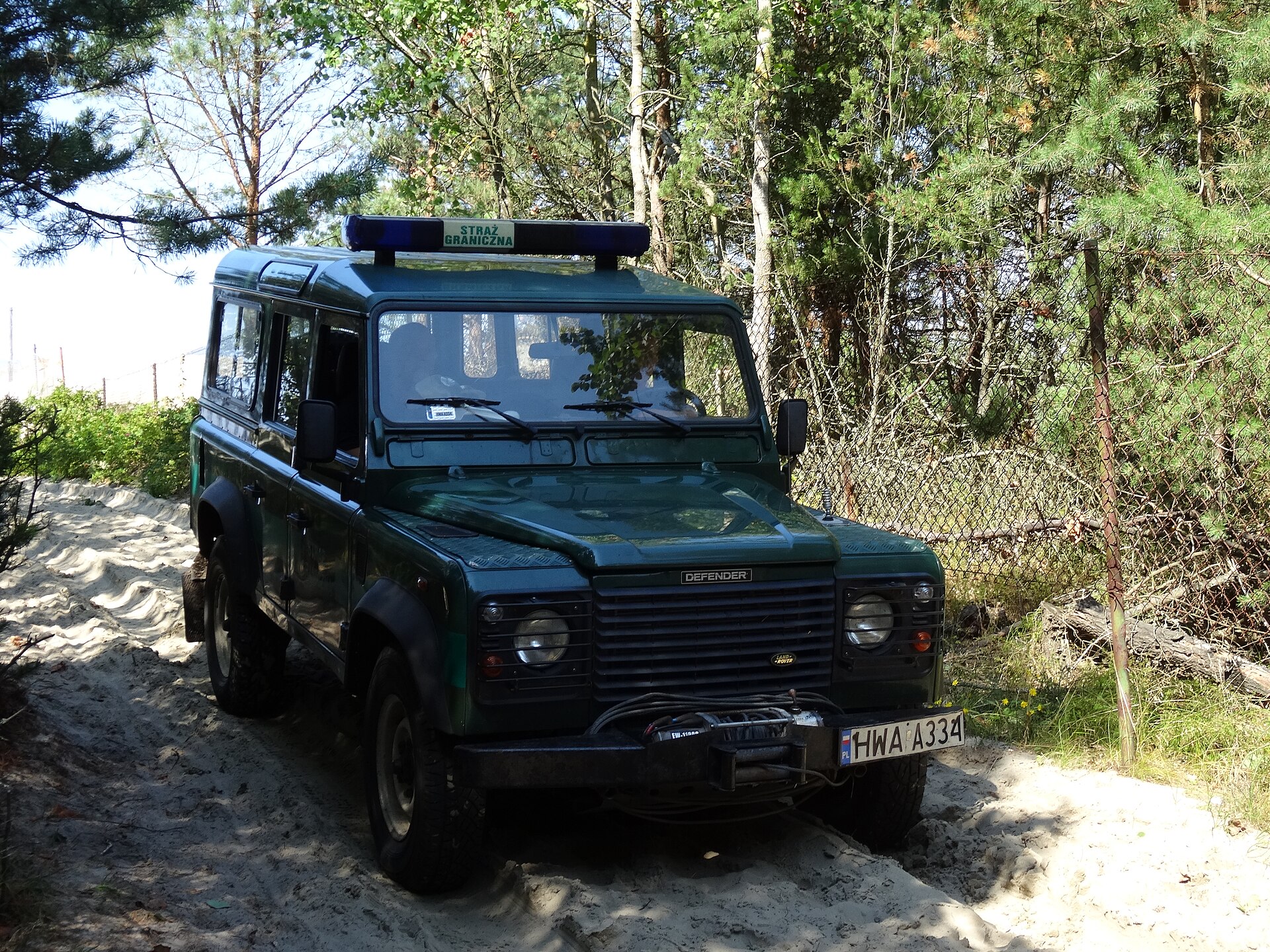
In late October, police in the border districts were reinforced with officers from other regions carrying long guns, Border Guard posts were strengthened, and officers of the Internal Security Agency (ABW) were sent to the area. Combat teams from the GROM, NIL and AGAT special units, equipped with drones, held exercises in the Warmian-Masurian Voivodeship.

On the night of 3 November, border guards near the town of Sępopol spotted people with flashlights on the border. They did not cross it and withdrew deeper into the Kaliningrad region. Polish Prime Minister Donald Tusk said at the time that the provocation had been averted, and warned:
“Tensions and escalation on russia’s part may continue, and we must remain vigilant and ready to prevent any potential provocations,” Tusk told a cabinet meeting.
What the government says
Tomasz Siemoniak, the minister coordinating Poland’s special services, confirmed that the services had taken additional measures over the past dozen or so days, but gave no details. Asked whether russia had been planning a terrorist attack on a crowded site, he replied that “you would have to ask the russians”. He added that the steps were taken because the threat had been judged real.
It is not the first time russia has tried to exploit Polish-Ukrainian relations. In November 2025, Tusk said the blast on the Warsaw–Lublin railway line had been carried out by two Ukrainian citizens working for russian intelligence; Ukraine’s foreign ministry responded that russia deliberately recruits people with Ukrainian passports. This summer Siemoniak warned: “russia’s dream, the dream of the russian services, was and is the greatest possible tension between Poland and Ukraine.”
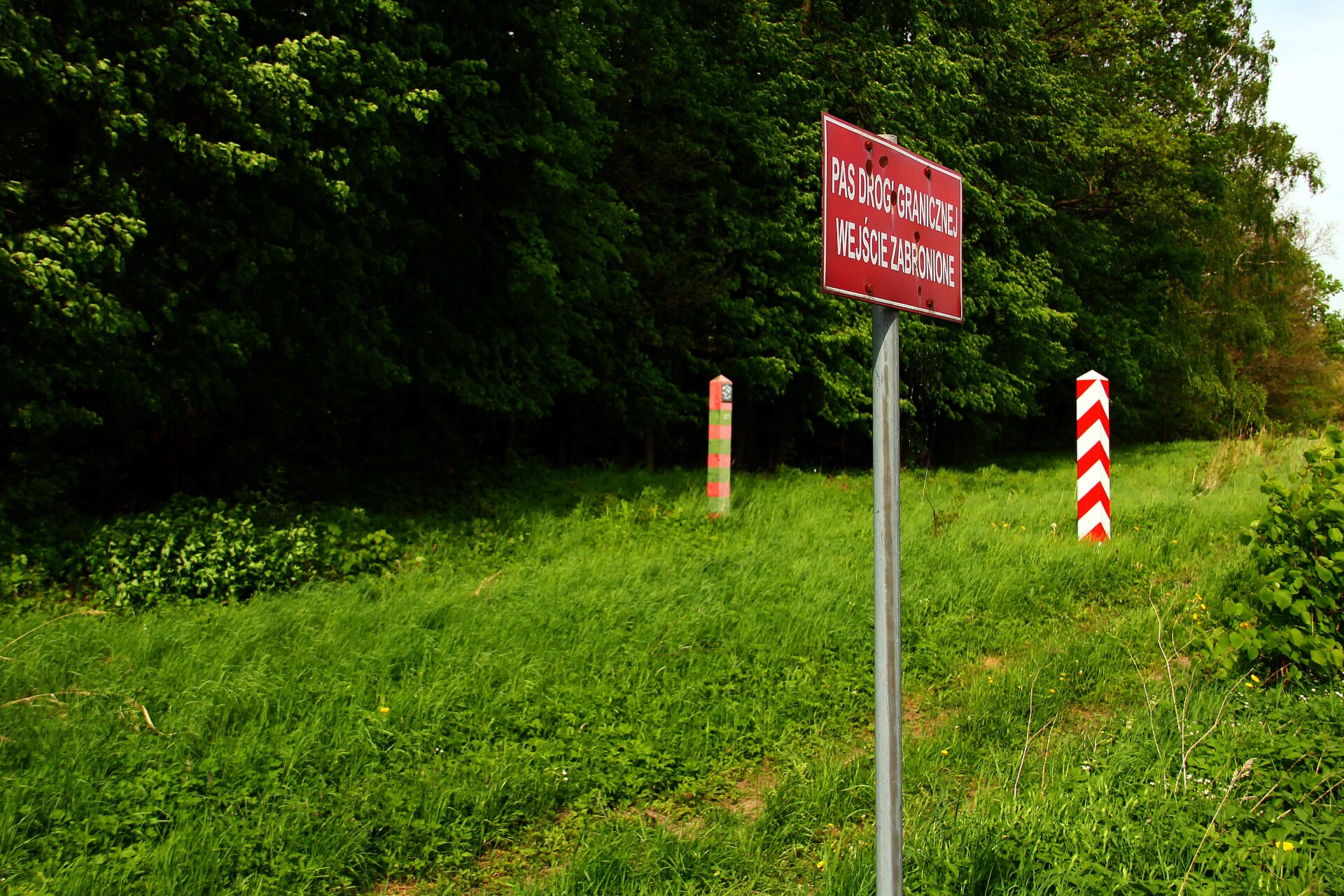
Main photo: the Polish border with the Kaliningrad region near the village of Szczurkowo (Sępopol municipality). Photo: Lech Darski / Wikimedia Commons, CC BY-SA 3.0.
