


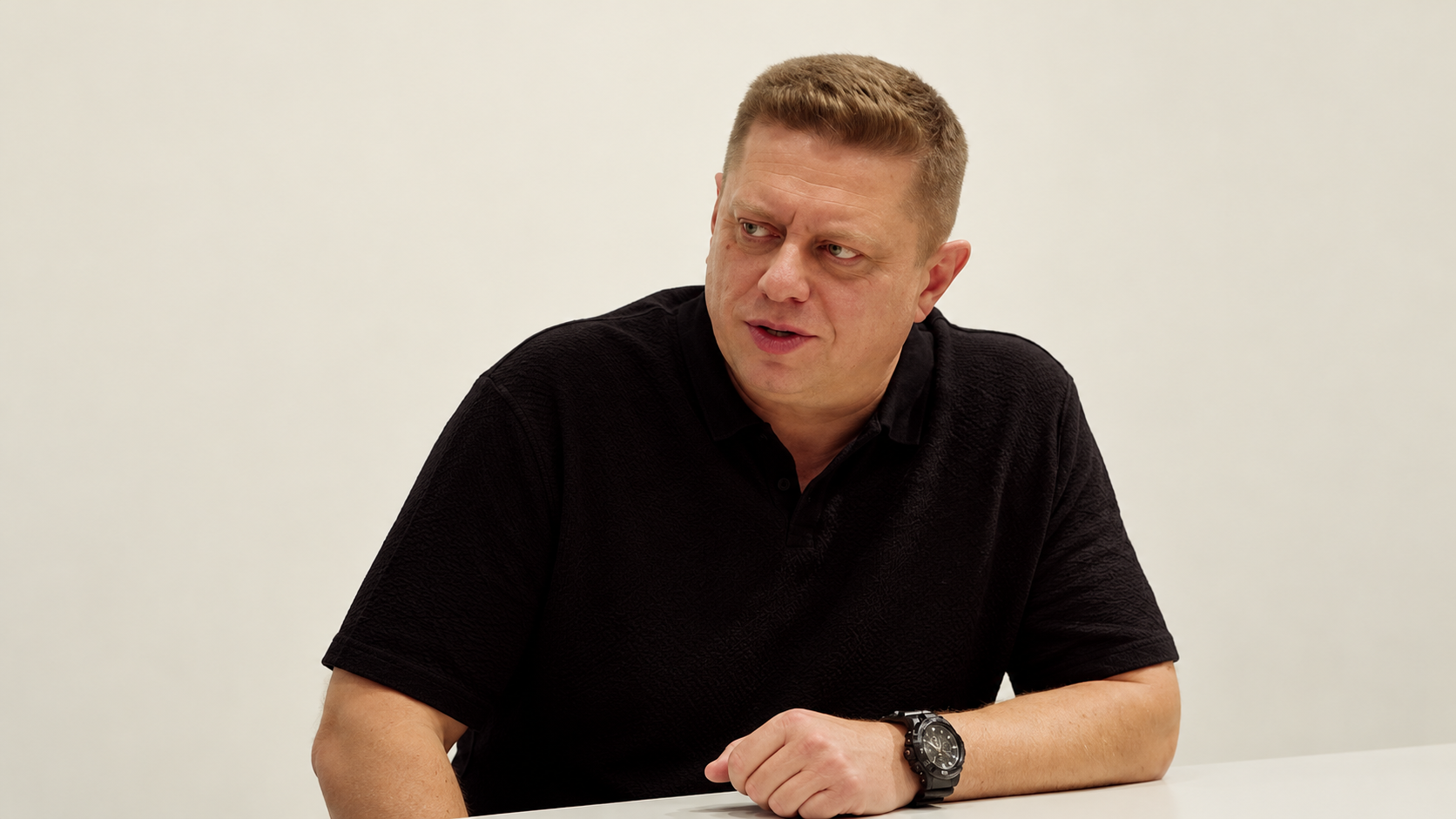
The disputes over history and Warsaw’s ultimatums regarding Ukraine’s European integration are merely a convenient pretext for the struggle over 76 billion euros in European Union agricultural subsidies, even though the actual trade balance between the countries shows a massive surplus for Poland of 8.7 billion euros. This was emphasized by Roman Matys, an economist, human rights activist, and president of the International Investment Office, who proposed that Ukrainian diplomats immediately divide the bilateral agenda into three separate tracks—security, economic, and historical.
According to the expert, exploiting discrepancies in memory policies has become a well-established institutional scheme of protectionism ahead of the opening of agricultural negotiation clusters with Brussels, where Polish politicians are attempting to block Ukrainian competitors’ access to the EU market.
“Since joining the EU, Poland has received more than 161 billion euros in grants. From 2021 to 2027, Poland is set to receive 76 billion euros in subsidies from EU funds, of which 55 billion euros are subsidies for Polish farmers. Are they their own enemies, to turn down such a windfall?” says Roman Matys.
The expert debunked the myths circulating in the media about “losses” from Ukrainian exports, citing official trade figures that show Polish businesses are the main beneficiaries.
“Exports from Ukraine to Poland in 2025 totaled 4.6 billion euros, while imports from Poland to Ukraine amounted to 13.4 billion euros. Poland has a trade surplus of 8.7 billion euros. Do entrepreneurs need this situation to change—that is, for the Ukrainian manufacturing sector to grow stronger? The logical answer is no,” he emphasizes.
To prevent interstate blackmail, the expert called for all economic disputes to be confined strictly to the offices of the European Commission in Brussels and for relations to be divided into three distinct tracks.
“My recommendation is to divide the situation into three separate tracks. The first track is historical, where professionals should be in charge… The second is the economic track… The third is security. Regardless of what we think about who was more in the right 100 years ago, this has no bearing whatsoever on security issues. Ukraine should receive as much support as it needs against Russian aggression,” says the president of the International Investment Office.
Overall, during the panel discussion titled “The Right to One’s Own Memory: National Identity, Dialogue with Neighbors, and the Russian Factor,” experts conducted a comprehensive analysis of the causes behind the deterioration of Ukrainian-Polish relations. Participants discussed the legal legitimacy of local councils’ decisions to honor those who fought for Ukraine’s independence, the inadmissibility of using Schengen bans against Ukrainian scholars, and the risks of undermining allied solidarity as Russia prepares for further escalation against Europe.
The meeting was attended by Sviatoslav Sheremeta, a member of the Lviv Regional Council and director of the “Dolia” International Public Center; Yuriy Goncharenko, head of the InfoLight.UA Research and Analysis Group; Mykola Posivnych, historian and president of the “Chronicle of the UPA” Charitable Foundation; Taras Rad, political scientist and military officer; and Valerii Maidanuk, political scientist and moderator of the discussion. The event was organized by the Ukrainian Security Club (USC) in collaboration with the NGO “Foundation for the Promotion of Democracy,” with support from the Hans Seidel Foundation in Ukraine and the InfoLight.UA Research and Analysis Group.